Ice Dam Removal: Protecting Your Roof & Preventing Water Damage
Ice dams are a common winter phenomenon that can cause significant damage to your home’s roof and interior. As temperatures fluctuate, melting snow on your roof refreezes at the eaves, forming a barrier that traps water behind it.
This trapped water can then seep into your roof, leading to potential leaks, mold, and costly water damage. Understanding how ice dams form, the risks they pose, and how to address them can save you from extensive repairs and preserve the integrity of your home.
In this article, we will delve into the science behind ice dams and the steps you can take to protect your roof from damage. We will explore safe and effective techniques for ice dam removal, offer preventative measures to reduce the likelihood of ice dam formation, and discuss the role of insulation and ventilation in preventing these issues.
If you’re looking for reliable information on protecting your home, keep reading to learn more about how to tackle this issue head-on.
Understanding the Formation & Risks of Ice Dams
Ice dams form when melting snow on the roof refreezes near the eaves, creating a dam-like barrier. This barrier prevents water from draining properly, causing it to pool behind the ice.
The trapped water can seep under the shingles, leading to leaks and water damage within your home. Factors such as poor insulation, improper roof pitch, and insufficient attic ventilation can exacerbate the formation of ice dams.
The risks associated with ice dams are not only limited to roof damage but can also affect your home’s insulation, walls, ceilings, and even electrical systems.
The water trapped behind the ice can lead to mold growth, rot, and structural damage. This is why it’s essential to understand how ice dams form and take steps to prevent their occurrence.
To learn more about the best ways to handle ice dams, visit Clean N' Seal for expert advice and services related to ice dam removal.
Safe & Effective Techniques for Ice Dam Removal
When ice dams form, removing them quickly and safely is crucial to preventing further damage.
One of the safest methods of removal involves using a roof rake with a long telescoping handle to remove the snow from the edges of the roof. This should be done while standing safely on the ground to avoid the risk of falling. It’s important not to use sharp tools, as they can damage the roof shingles.
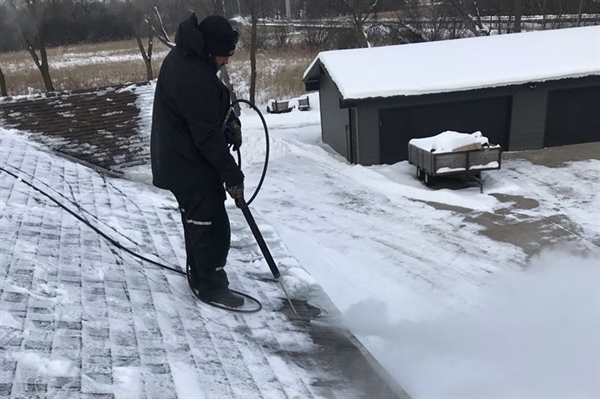
If the ice dam is large or difficult to reach, it’s best to call professionals who are trained in ice dam removal. Experts use specialized tools like steam to melt the ice without damaging the roof.
This method ensures that the ice is removed efficiently, minimizing the risk of damage to the roof structure. Remember, DIY removal can lead to injury or further damage if not done correctly.
Preventative Measures to Reduce Ice Dam Formation
Preventing ice dams from forming is the most effective way to avoid the costly damage they can cause. One of the most important preventative measures is ensuring your attic is properly insulated.
Insulation helps keep the warmth inside your home, preventing the roof from warming up and causing the snow to melt prematurely.
Additionally, adding proper attic ventilation allows cold air to circulate, helping to maintain a consistent temperature across the entire roof.
Another key preventative step is to ensure your gutters are clean and free from debris. Clogged gutters can cause water to pool, which increases the risk of ice dam formation. Keeping gutters clear allows water to flow freely off the roof, reducing the chance of ice build-up.
The Role of Insulation & Ventilation in Ice Dam Prevention
Proper insulation and ventilation are critical in preventing ice dams. Insulation keeps the heat from escaping into the attic, which can cause the roof to warm up and melt the snow. This melting snow then refreezes at the roof’s edge, where it forms ice dams. By ensuring that the attic is well-insulated, you can keep the roof temperature more consistent, preventing the melting and refreezing cycle.
Ventilation is equally important. Without proper airflow, the warm air from your home can accumulate in the attic, raising the roof temperature and encouraging ice dam formation.
Installing soffit vents, ridge vents, or attic fans can help keep the attic cooler, reducing the risk of ice dams. Proper insulation and ventilation work together to regulate roof temperature and prevent the conditions that lead to ice dam formation.
Call Clean 'N Seal for Ice Dam Removal
If you are dealing with ice dams or are worried about the potential damage they can cause, Clean 'N Seal is here to help. With years of experience and a team of experts, Clean N' Seal provides professional ice dam removal and prevention services.
For more information on how we can assist with ice dam prevention or removal, please contact us online or call us at 952-393-9588. Our team is ready to help you protect your home.